Skyline Footsteps Above the Avon
Where Stone Meets Sky
History You Can Walk Through
Nature on the Edge
Birdlife on the Updrafts
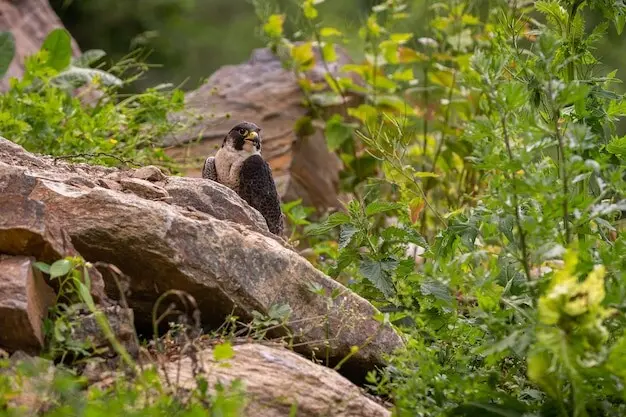
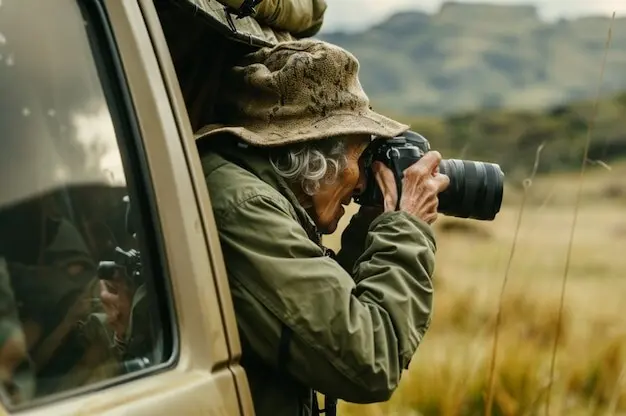
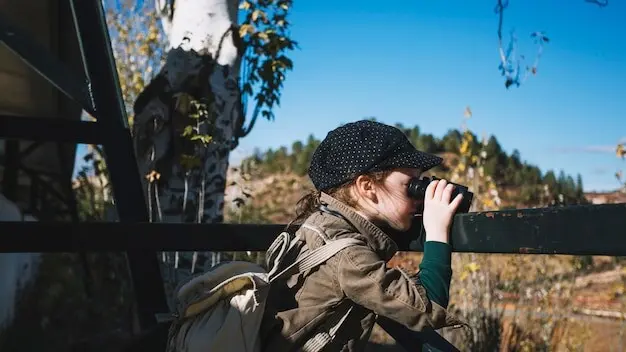
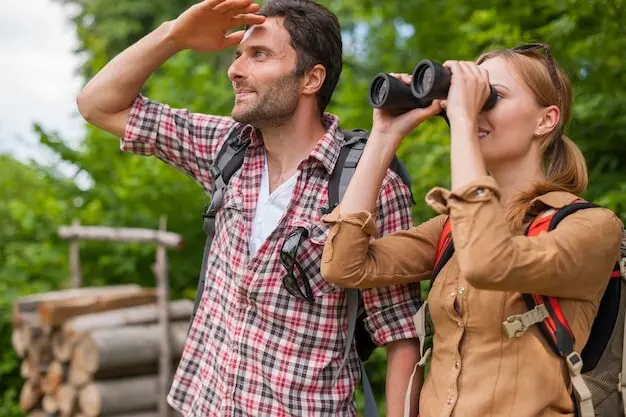
Watch for the sudden scythe of a peregrine, then for jackdaws stitching conversation across the face of the cliffs. Kestrels may hover with patient tremble, while gulls surf breezes that smell faintly of salt and city. Bring binoculars if you have them, and practice stillness; the simplest pause often invites the most astonishing, feathered arrival right into your field of view.
Cliff Flora and Endemic Trees
Along scarps and ledges, resilient plants write their green signatures in miniature. Look for tough, sun-loving species and distinctive whitebeams found almost nowhere else, their leaves flashing pale on a gust. Spring sprinkles color in unexpected crevices, summer bakes minerals into sweetness, and autumn reveals structure. Resist picking or trampling; the beauty here thrives precisely because it remains undisturbed.
Seasonal Sensations
In winter, the gorge sharpens, views cutting crisp through bare branches and silver air. Spring uncurls leaves like soft applause. By summer, paths shimmer with heat and laughter, while autumn pours copper light across the stone. Choose your hour and mood—misty dawns, bold noons, or glowing evenings—each season offers a distinct vocabulary for reading sky, rock, and river.
Routes for Every Pace

Safety, Etiquette, and Access
Cliffside Common Sense
Sharing Narrow Paths
Getting There Without Stress
Stories From the Edge
A Morning of Mist and Falcons
One winter dawn we crested the Downs into pearl-colored haze, the bridge barely a charcoal line. Then, two peregrines carved the air, their calls echoing against the stone. Nobody spoke. Warmed by thermos tea, we watched the day sharpen above the moving river, a small ceremony of patience and reward that changed the mood of an entire week.
Finding Stillness Above the Tide
On a hot afternoon, the gorge felt like a quiet amphitheater. We leaned on the rail and listened to distant city music melt into the rustle of leaves. Each breath seemed to travel farther, returning calmer. The return walk became slower, kinder, and oddly celebratory, proof that elevation can also mean gentleness rather than striving or speed.
All Rights Reserved.