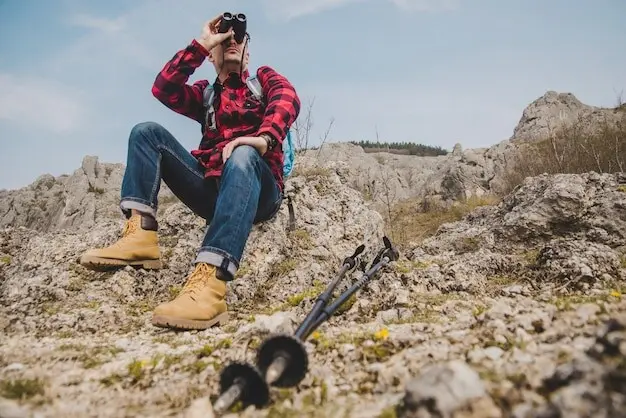
Where Lightning Feathers Slice the Avon Sky

Set your eyes on the fastest birds on Earth as this guide spotlights Peregrine Falcon watching locations along the Avon Gorge cliffs. We’ll point you toward reliable vantage points, gentle fieldcraft, ethical distance, and the small timing tricks that turn fleeting shadows into unforgettable, heart-thumping encounters above Bristol’s river-cut stone amphitheatre.

First Light, Last Light, Perfect Sight
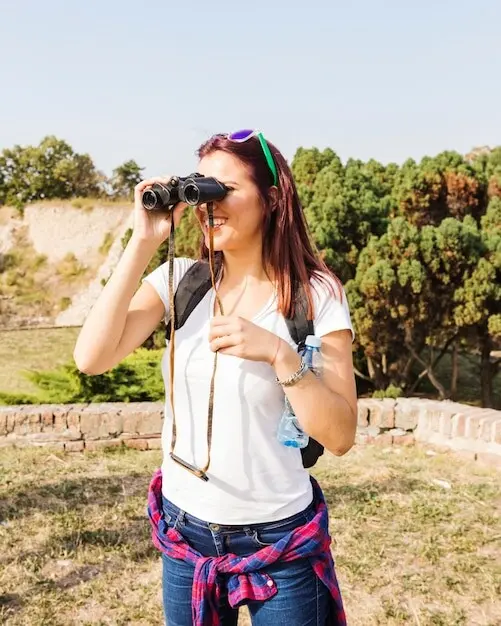
Timing transforms chance into certainty along cliff faces that breathe wind. Peregrine activity spikes when the day edges turn gold, thermals build, and shadows lengthen across the river. By reading light, wind direction, and tide-notes on the Portway, you’ll choose patient minutes that reveal stoops, food passes, and cliff-top circuits instead of distant specks dissolving into the haze.

Edges, Paths, and Panoramas You Can Trust

Avon Gorge rewards careful feet and smart choices. Sturdy paths, established terraces, and set-back railings provide sweeping sightlines without risking erosion or disturbance. Choose breadth of view over cliff-hugging drama; you’ll track approaches sooner, follow high arcs longer, and comfortably share space with other watchers, walkers, and cyclists while respecting the living rock that shelters ledges vital to nesting success.

Fieldcraft that Keeps Falcons Safe

The cliff is not a stage; it is a nursery, larder, and aerial classroom. Ethical watching means choosing distance over drama and patience over proximity. With quiet movement, short conversations, and awareness of nest ledges, you’ll witness natural behavior unfold without prompting alarm calls, restless wing-flicks, or protective dives that drain the precious energy these high-performance hunters need.

Legal Distance and Nesting Ledges

In the UK, disturbing these birds at or near the nest is a criminal offense under the Wildlife and Countryside Act 1981. Maintain ample distance from any ledge activity, respect fencing and seasonal climbing restrictions, and never reveal precise nest coordinates publicly. If an adult repeatedly alarm-calls or stares you down, you are too close. Step back calmly until the bird’s posture relaxes again.

Moving, Speaking, and Settling Like a Considerate Guest

Approach slowly, avoid sudden silhouettes popping over the skyline, and keep voices low. Choose neutral clothing that doesn’t flare or flap in gusts. Set up optics once, then settle. If a crowd forms, share space and viewpoints generously. Your presence should fade into the background of wind and river noise, allowing feeding, preening, bonding flights, and juvenile practice stoops to continue peacefully unaltered.

Drones, Dogs, and Climbing Restrictions

Drones are disruptive and often illegal near protected nesting sites; leave them at home. Keep dogs leashed and away from edges and ledges where scent or noise can escalate stress. Climbers should monitor seasonal restrictions posted by access bodies to protect breeding attempts. Everyone benefits when safety and breeding success come first: calmer birds, richer behavior to observe, and a gorge that welcomes future watchers.

Tools for Speed: Optics and Cameras

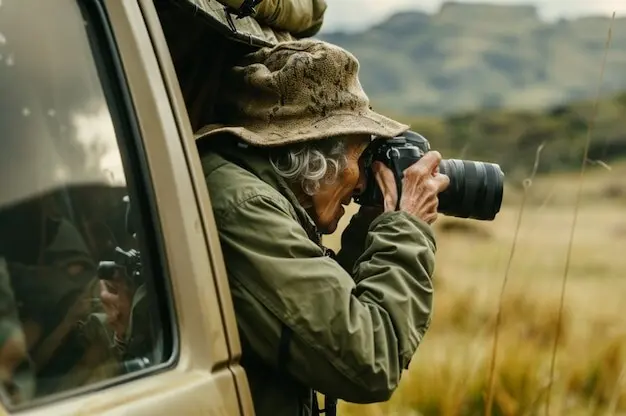
Fast wings demand fast eyes. Choose gear that supports calm, extended viewing while remaining portable on uneven paths. Binoculars handle scanning and sudden passes; a steady scope unlocks distant ledges and sky highways. Photographers benefit from balanced lenses, high shutter speeds, and supportive tripods or monopods that tame wind-shake without dominating precious space along popular viewpoints.

Binoculars That Balance Clarity and Comfort

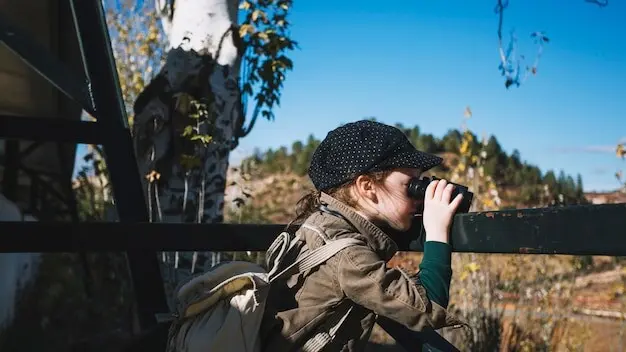
Eight- or ten-power binoculars with wide fields let you acquire birds quickly while retaining brightness under overcast skies. Prioritize comfortable eyecups and a smooth focus wheel you can ride with one finger. A chest harness distributes weight on longer walks between vantage points. Keep lens cloths handy; gorge winds carry fine grit that softens contrast and steals crisp edges from distant silhouettes.

Scopes and Tripods on Uneven Ground

A compact 60–65 mm spotting scope strikes a sweet spot between reach and stability, especially when paired with a sturdy, moderately tall tripod. Extend thicker leg sections first for rigidity, and angle one leg downhill for balance. A fluid head aids tracking along cliff lines. When wind rises, lower the center column and brace gently to prevent micro-wobble that blurs subtle behavior cues.

Reading the Behavior, Reading the Rock

Identification becomes joyfully simple when behavior, shape, and cliff language align. Watch wing posture, tail spread, and hunting angles relative to ledges, thermals, and river glints. Adults and juveniles differ in tone and confidence, but both telegraph intent through repeated circuits, sudden tucks, and vocal notes that bounce from buttresses and towers like breadcrumbs pointing toward the next breathtaking burst of speed.

Adults, Juveniles, and the Shapes Between

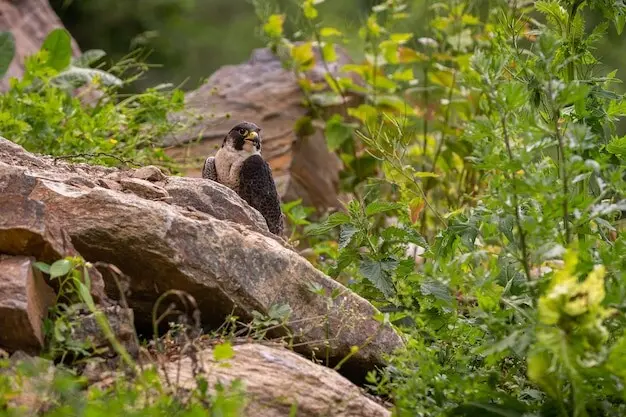
Adults show blue‑grey upperparts and clean, bold moustachial marks; juveniles wear brownish streaks and buff edges. Juveniles often flap more and experiment with clumsy arcs, while adults carve measured lines. Compare proportions against pigeons and gulls to confirm scale quickly. When in doubt, wait; a banking turn against cliff strata will often reveal patterning, glove-like wing tips, and that unmistakable scimitar profile.

Hunting Routines and River Corridors

Prey traffic concentrates along predictable lanes: above the Portway, across open Downs grass, and over mid-river where reflections dazzle. Falcons exploit surprise, dropping from height or rock shadows. Track the bird’s gaze and body angle to anticipate direction. If a chase fizzles, scan back toward favored perches for a reset. Expect brief rests on sunlit snags before another audacious dive unspools from nothing.

Calls, Food Passes, and Ledge Clues

Shrill kek‑kek calls can signal agitation, territory defense, or nest chatter. During breeding, mid‑air food passes reveal coordination and trust, sometimes above the bridge towers or cliff faces. Whitewash stains, feather plucking posts, and cached remains point to habitual perches. Read these signs with care and distance, allowing rhythms to continue undisturbed while you assemble a fuller story of the gorge’s aerial monarchs.

Getting There by Bus, Train, and Foot

Clifton Village is well served by buses, and Clifton Down station connects you to the Downs with a pleasant walk to viewpoints. The Suspension Bridge footways offer dramatic perspectives; be mindful of pedestrians and keep tripods compact. From Leigh Woods car parks, signed paths lead to safe openings along the ridge. Always consult local notices for closures, events, and any temporary restrictions affecting cliff access.

Safety Near the Portway and Cliff Edges

Traffic noise can mask calls near the Portway, so rely more on sightlines than sound. Stay behind railings, avoid leaning over parapets, and keep children close on exposed paths. Weather can change quickly; wet limestone is treacherous underfoot. Step aside for runners and cyclists, secure hats against gusts, and treat every rim as unstable. Your caution preserves both wellbeing and the gorge’s delicate edges.

Cafés, Restrooms, and Quiet Etiquette

Clifton Village cafés and kiosks around the Downs make extended sessions comfortable, especially between dawn and evening watches. Use facilities before settling at viewpoints, pack out litter, and keep conversations soft. Share scopes with curious passersby to build community goodwill. If a sensitive moment unfolds—a food pass, a ledge changeover—let silence reign, then celebrate together once the air calms again.

Share Sightings, Learn Together

Your observations strengthen local knowledge and protect future experiences. Contribute notes on dates, behavior, wind, and viewing distance rather than exact nest coordinates. Join volunteer watch days, compare lenses and techniques, and invite newcomers to look through your optics. Community spirit turns rare flashes into collective memory that deepens with every season along Bristol’s beloved stone corridor.
Virotavotari
Privacy Overview

This website uses cookies so that we can provide you with the best user experience possible. Cookie information is stored in your browser and performs functions such as recognising you when you return to our website and helping our team to understand which sections of the website you find most interesting and useful.