Walk Smart, Care Deeply Along Avon Gorge Edges
Welcome to a practical, heartfelt guide focused on safety and conservation guidelines for walking near Avon Gorge cliff edges. We blend clear precautions with respectful habits that safeguard rare whitebeams, Bristol rock-cress, nesting peregrines, and the hardworking conservation goats. You will find local insights, simple checklists, and real experiences from the paths above the River Avon, helping you enjoy dramatic views while avoiding hidden hazards and leaving the gorge healthier than you found it.
Know the Ground Beneath Your Feet
Reading Rock: Limestone, Layers, and Looseness
Avon Gorge exposes Carboniferous limestone and patches of dolomitic conglomerate, riddled with bedding planes and fissures that shed small stones without warning. What looks solid can be undercut or recently loosened by rain. Test surfaces gently, avoid edges rounded by countless boots, and remember that pale dust on dark rock often signals fresh movement and higher rockfall risk.
Wind, Weather, and the Edge Effect
Wind accelerates along the gorge like water through a narrowing channel, turning a pleasant breeze at Clifton into unpredictable cross-gusts near exposed viewpoints. Crouch when a gust rises, secure hats and maps, and delay photos until steadier moments. After rain, wet limestone feels like soap; pair caution with slow, deliberate steps and use handrails without leaning outward.
Human Traces and Hidden Traps
Quarry faces, hidden drainage cuts, and old cable anchor points create voids and trip hazards beside seemingly benign grass. Fences and low walls define safer lines, not photo props. Read waymarks, heed freshly posted warnings about rockfall or closures, and remember that one shortcut across eroding ground can multiply into dozens, stripping vegetation that once pinned the slope.
Footwear, Traction, and Simple Redundancies
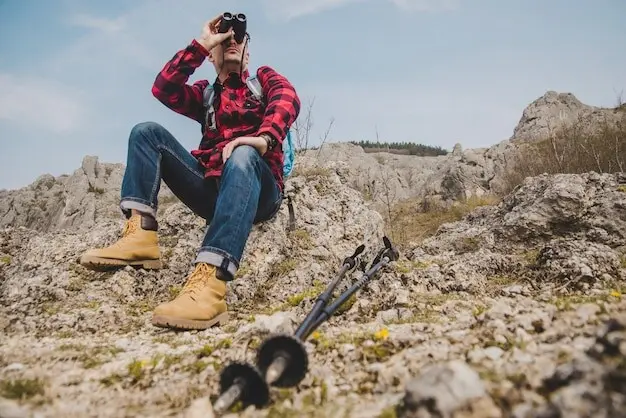
Choose footwear with firm midsoles and grippy, well-defined lugs that clear mud. Tighten laces at the ankle to reduce heel lift on steep descents. On polished limestone, soft rubber grips better than plastic-like soles. Bring microspikes when frost threatens, and carry a spare pair of socks to recover warmth if you misstep into waterlogged patches bordering the path.
Group Spacing, Calm Voices, and Leads for Dogs
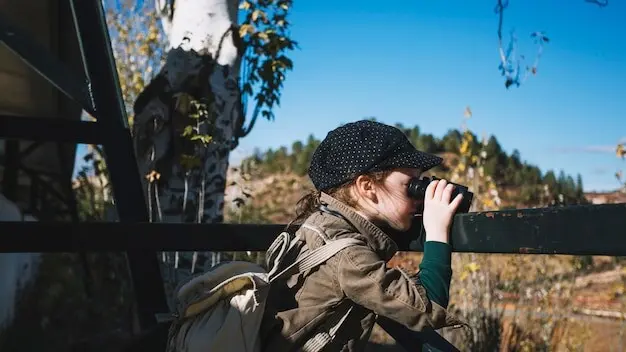
Keep children between adults and the slope, not cliffside. Put dogs on a short lead near edges and around livestock or goats. Space your group so only one person approaches a viewpoint at a time. Agree hand signals for stop, go, and help, and practice speaking calmly when wind or traffic drowns voices along the higher, noisier stretches.
If Trouble Strikes: Clear Steps to Get Help
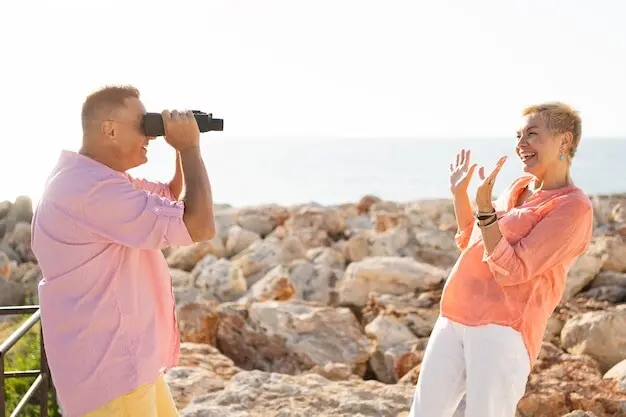
If someone falls or is stranded, do not attempt a risky descent. Call 999 or 112, ask for Fire and Rescue, and describe landmarks such as Clifton Observatory, the Suspension Bridge, or Leigh Woods entrances. Use what3words or OS grid if you can. Keep the rest of the group safe, make the scene visible, and await professional help without moving near unstable edges.
Paths That Preserve Life
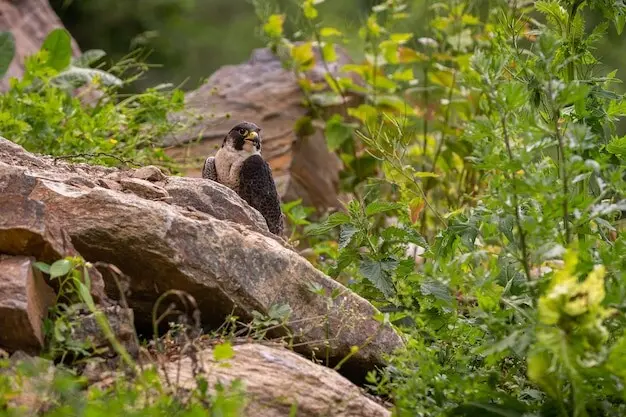
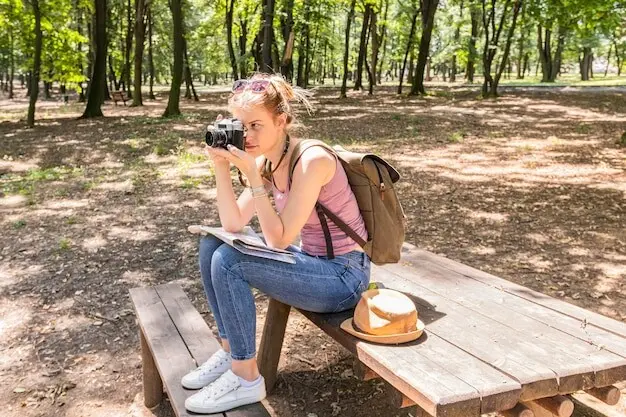
Staying on signed trails is the simplest way to protect the gorge’s living treasures. Footfall compacts thin soils, snaps roots that anchor ledges, and crushes seedlings that stabilize scree tongues. By following established lines, you help rare plants persist, nesting birds raise chicks undisturbed, and conservation teams focus on habitat care rather than repairing avoidable scars and braided shortcuts spreading downhill.
Sharing Busy Spaces With Care
Many people love this place at once: walkers chasing sunsets, climbers testing lines, runners moving fast, residents seeking quiet, and rangers at work. Harmony depends on generous awareness. Yield space where paths pinch, wait while ropes are managed, thank volunteers repairing steps, and keep voices respectful near homes. Simple courtesies shrink conflict, reduce accidents, and make conservation feel like a shared celebration.
Plan Loops With Contours and Checkpoints
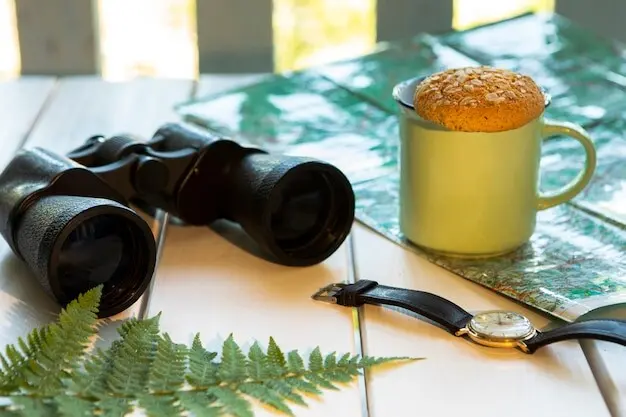
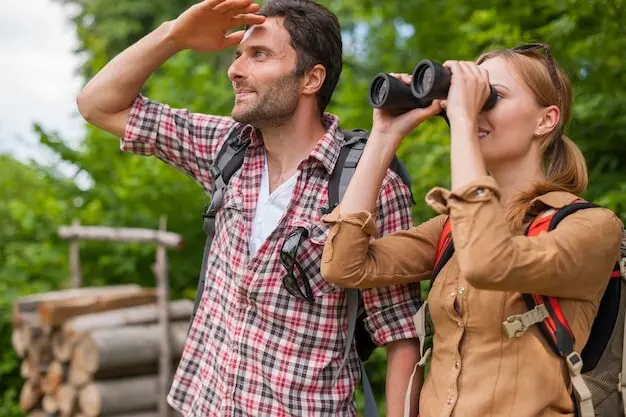
Use a detailed map app or paper map that shows contours, quarries, and crag symbols, and cross-check with on-site interpretation boards. Plan loops that match your fitness and daylight. Screenshot key junctions in case reception falters. When you brief companions before moving, shared mental maps prevent wrong turns and reduce temptation to improvise along faint, eroding traces near edges.
Read Signs Without Stepping Off Path
Pause at each junction to scan for waymarks, hazard icons, and temporary notices. Resist stepping off path for a sign photo; zoom instead. If a viewpoint feels busy or narrow, schedule a return at a quieter hour. Let curiosity guide questions, not your feet, and trust that the gorge rewards patience with safer angles and equally breathtaking perspectives slightly set back.
Leave Nothing But Gentle Footprints
Every small action echoes down limestone gullies and into the River Avon. Packing out litter, cleaning boots, and skipping campfires protect soil crusts, insects, and water quality. Wildlife hears drones and speakers far beyond your estimate, and dog waste fuels nutrient spikes that shift plant communities. Choosing quiet, tidy, low-impact habits keeps the gorge wild, resilient, and welcoming.
Keep Learning, Join In, Stay Connected
Your presence can nurture protection beyond a single walk. Join guided events, learn plant names, share safe routes with newcomers, and support conservation groups working year-round. Comment with questions, subscribe for seasonal alerts, and tell us what tips helped you most. Collective attention turns care into momentum, improving safety, habitats, and community pride around these towering, much-loved edges.
All Rights Reserved.